URSULA BURKE


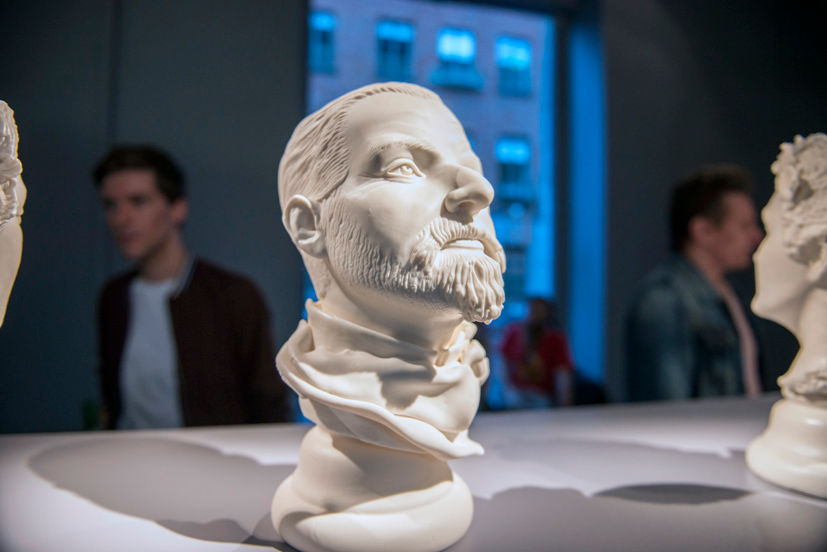


Vestiges
Ormston House Gallery, Ireland
2017
Each imperial dynasty, particularly in Roman history, sought to emphasise certain aspects of representation in an effort to legitimise their authority through this form of portraiture. With her work made using Parian porcelain, famed for emulating Parian marble which was the substance used for carving many of the Greek and Roman sculptures from antiquity, Burke makes direct reference to the classical which enables her to make a conceptual bridge between idealised versions of society and the reality of continually suspended versions of the ideal within a post-colonial society.
Burke captures the physiognomic particularities of her subjects and imbues her portrait sculptures with a potent discomfort. The vividness of these nameless faces of bruised and injured men and women challenge ascribed notions of this genre and historical authenticity. Rather than enshrine the heroic or powerful, Burke captures the darker side of revolution and conflict and formalises the violence with the figures caught at a moment in time, forever injured and never to be healed.